
TINNITUS & BALANCE
Tinnitus Treatments
Mona Vale
Clear answers and personalised solutions for tinnitus.
Tinnitus can affect your concentration, sleep, and reduce your ability to function comfortably in daily life. The first step is understanding what is causing your symptoms and what can be done to manage them.
We'll begin with a structured diagnostic assessment and then develop a personalised treatment plan.
Clinics: Gateway Medical Centre, 1 Mona Vale Rd, Mona Vale
Visiting: Dural and Narrabeen
Tinnitus Treatments
Mona Vale
Tinnitus can affect your concentration, sleep, and reduce your ability to function comfortably in daily life.
The first step is understanding what is causing your symptoms and what can be done to manage them.
Gateway Medical Centre, Mona Vale
and visiting Dural and Narrabeen.

Evidence-based tinnitus management Independent audiologist
Personalised treatment plans
Mona Vale | Sydney's northern beaches.
Neeti Chadha - Director of Audiology
Evidence-based tinnitus management | Independent audiologist | Personalised treatment plans
Servicing Mona Vale and Sydney's northern beaches.
Neeti Chadha - Director of Audiology
DON'T GIVE UP
There are better ways to manage tinnitus.
Especially when answers have been hard to find.
Many people with tinnitus are told to simply “learn to live with it”.
In reality, there are several approaches that can significantly reduce the impact tinnitus has on your concentration, sleep, and overall wellbeing.
The key is understanding what may be contributing to your symptoms and which management strategies are most appropriate for you.
This is why a structured assessment is the starting point.
From there, we develop a treatment plan tailored to your hearing profile, lifestyle, and the specific challenges tinnitus creates for you.

DON'T GIVE UP
There are better ways to manage tinnitus
Many people with tinnitus are told to simply “learn to live with it”.
In reality, there are several approaches that can significantly reduce the impact tinnitus has on your concentration, sleep, and overall wellbeing.
The key is understanding what may be contributing to your symptoms and which management strategies are most appropriate for you.
This is why a structured assessment is the starting point.
From there, we develop a treatment plan tailored to your hearing profile, lifestyle, and the specific challenges tinnitus creates for you.
UNDERSTAND TINNITUS
Underlying causes of tinnitus
The reasons for each individual's tinnitus can vary greatly, which is why a professional assessment is important.
Tinnitus is the perception of sound when no external sound is present.
People often describe it as ringing, buzzing, humming, or a high-pitched tone in the ears.
While tinnitus itself is common, the underlying causes can vary significantly, which is why a professional assessment is important.
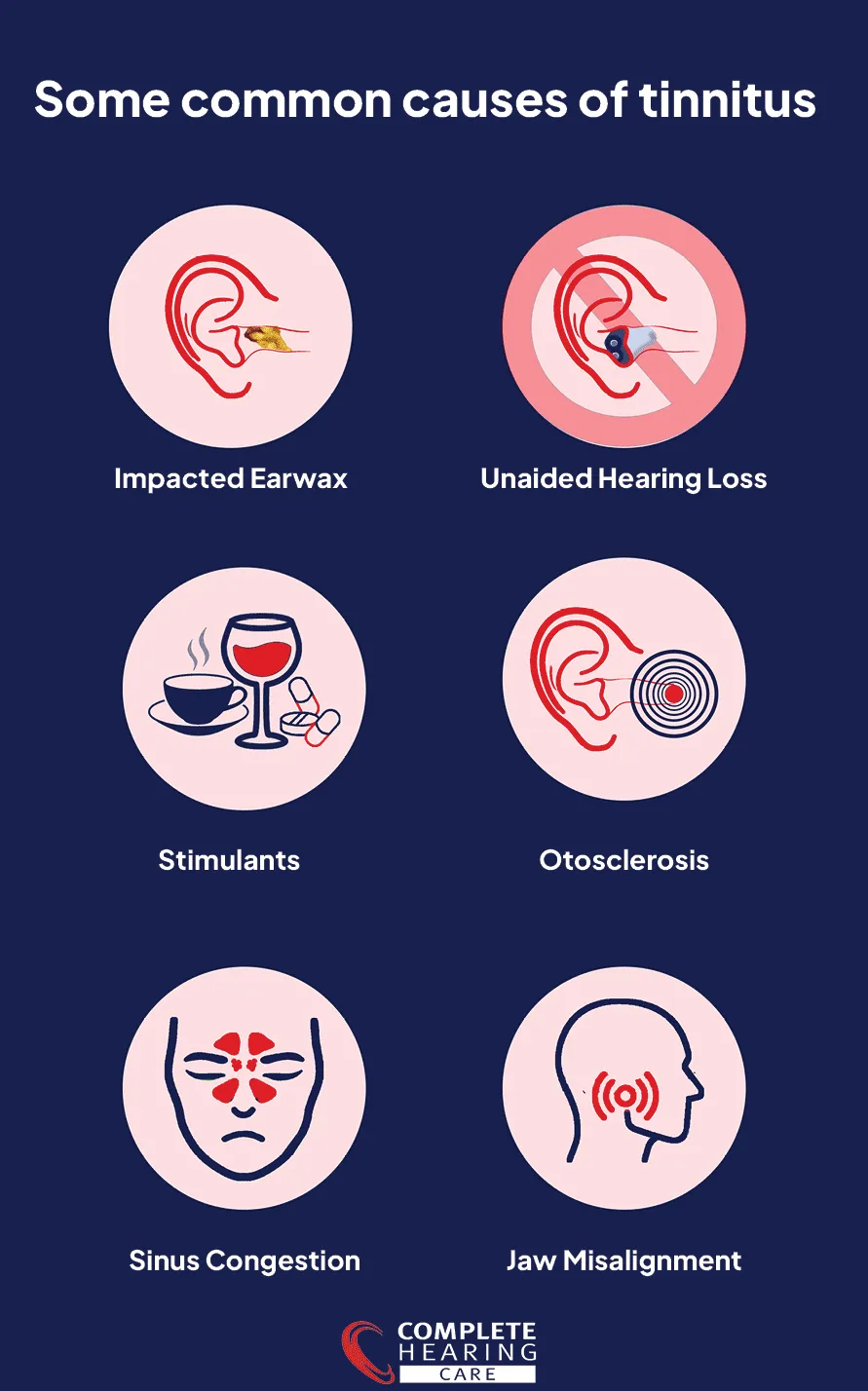
Tinnitus is frequently associated with:
Hearing loss, particularly age-related or noise-induced hearing loss
Exposure to loud noise over time
Earwax build-up affecting the ear canal
Changes within the auditory system
Stress or fatigue, which can make tinnitus more noticeable
Medications, alcohol, and caffeine
Understanding what may be contributing to your tinnitus is the first step towards developing a treatment plan that helps reduce its impact on your daily life.
This is why we begin with a structured tinnitus and balance assessment.
UNDERSTAND TINNITUS
Underlying causes of tinnitus
The reasons for each individual's tinnitus can vary greatly, which is why a professional assessment is important.
Tinnitus is the perception of sound when no external sound is present.
People often describe it as ringing, buzzing, humming, or a high-pitched tone in the ears.
While tinnitus itself is common, the underlying causes can vary significantly, which is why a professional assessment is important.
Tinnitus is frequently associated with:
Hearing loss, particularly age-related or noise-induced hearing loss
Exposure to loud noise over time
Earwax build-up affecting the ear canal
Changes within the auditory system
Stress or fatigue, which can make tinnitus more noticeable
Medications, alcohol, and caffeine
Understanding what may be contributing to your tinnitus is the first step toward developing a treatment plan that helps reduce its impact on your daily life.
This is why we begin with a structured tinnitus and balance assessment.
OUR APPROACH
Your tinnitus consultation
Your consultation is designed to help us understand both your symptoms and the factors that may be contributing to them.

Understanding your symptoms
We begin by discussing when your tinnitus occurs and how it has been affecting your daily life.
Ear examination
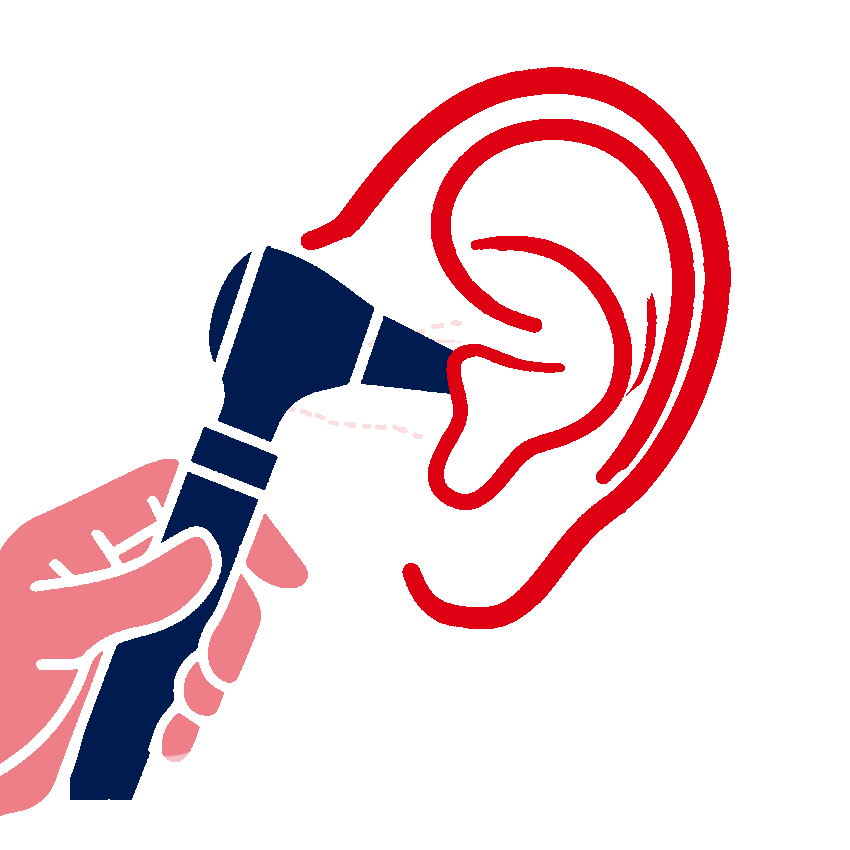
We'll look inside your ear canals to check for any issues such as earwax build-up, abnormalities, or irritation.

Diagnostic testing
Your hearing is assessed to determine whether hearing loss or other auditory changes are contributing to symptoms.

Discussion & Treatment Plan
Your audiologist will explain the findings and outline the treatment options available to help manage your symptoms.
OUR APPROACH
Your tinnitus consultation
Your consultation is designed to help us understand both your symptoms and the factors that may be contributing to them.
Understanding your symptoms
We begin by discussing when your tinnitus or dizziness occurs and how it has been affecting your daily life.
Ear examination
We'll look inside your ear canals to check for any issues such as earwax build-up, abnormalities, or irritation.
Diagnostic testing
Your hearing is assessed to determine whether hearing loss or other auditory changes are contributing to symptoms.
Discussion & Treatment Plan
Your audiologist will explain the findings and outline the treatment options available to help manage your symptoms.
TREATMENT OPTIONS
Treatment plans designed to reduce the impact of tinnitus
While tinnitus cannot always be completely eliminated, many people find that the right combination of treatments can significantly reduce how much it affects their daily life.
Following your assessment, your audiologist will develop a personalised treatment plan based on your hearing profile, symptoms, and lifestyle.
Treatment approaches may include:
Hearing technology
If hearing loss is contributing to your tinnitus, modern hearing devices can help restore missing sound and often reduce the prominence of tinnitus. Learn more about hearing aids here.
Sound therapy
Carefully designed sound therapy can help the brain become less focused on tinnitus, making the sound less intrusive over time.
Tinnitus management strategies
Structured strategies can help reduce the impact tinnitus has on concentration, sleep, and overall wellbeing.
Earwax removal
If wax build-up is affecting the ear canal or hearing, microsuction earwax removal may help relieve symptoms. Learn more about earwax removal here.
Counselling and support
Tinnitus management often improves with the right support and lifestyle adjustments over time.
Your audiologist will explain the options available and help you choose the approach that best suits your situation.

WHY COMPLETE HEARING CARE
A comprehensive approach to tinnitus management
Managing tinnitus often requires more than a single solution. The most effective approach begins with a careful assessment and a treatment plan tailored to your specific symptoms and hearing profile.
At Complete Hearing Care, we focus on identifying the factors that may be contributing to your tinnitus and providing clear guidance on the most appropriate management options.
Independent clinical advice
As an independent hearing care provider, recommendations are based on what is best for your situation rather than a single manufacturer or product.
Wider range of treatment options
Your treatment plan may include hearing technology, sound therapy, tinnitus management strategies, earwax removal, or referral to other specialists where appropriate.
Personalised care
Every person experiences tinnitus differently. Your treatment plan is designed around your symptoms, lifestyle, and goals.
Ongoing support
Tinnitus management often improves over time with the right support, guidance, and adjustments.

TREATMENT OPTIONS
Treatment plans designed to reduce the impact of tinnitus
While tinnitus cannot always be completely eliminated, many people find that the right combination of treatments can significantly reduce how much it affects their daily life.
Following your assessment, your audiologist will develop a personalised treatment plan based on your hearing profile, symptoms, and lifestyle.
Treatment approaches may include:
Hearing technology
If hearing loss is contributing to your tinnitus, modern hearing devices can help restore missing sound and often reduce the prominence of tinnitus.
Sound therapy
Carefully designed sound therapy can help the brain become less focused on tinnitus, making the sound less intrusive over time.
Tinnitus management strategies
Structured strategies can help reduce the impact tinnitus has on concentration, sleep, and overall wellbeing.
Earwax removal
If wax build-up is affecting the ear canal or hearing, microsuction earwax removal may help relieve symptoms. Learn more about earwax removal here.
Counselling and support
Tinnitus management often improves with the right support and lifestyle adjustments over time.
Your audiologist will explain the options available and help you choose the approach that best suits your situation.
WHY COMPLETE HEARING CARE

A comprehensive approach to tinnitus management
Managing tinnitus often requires more than a single solution. The most effective approach begins with a careful assessment and a treatment plan tailored to your specific symptoms and hearing profile.
At Complete Hearing Care, we focus on identifying the factors that may be contributing to your tinnitus and providing clear guidance on the most appropriate management options.
Independent clinical advice
As an independent hearing care provider, recommendations are based on what is best for your situation rather than a single manufacturer or product.
Wider range of treatment options
Your treatment plan may include hearing technology, sound therapy, tinnitus management strategies, earwax removal, or referral to other specialists where appropriate.
Personalised care
Every person experiences tinnitus differently. Your treatment plan is designed around your symptoms, lifestyle, and goals.
Ongoing support
Tinnitus management often improves over time with the right support, guidance, and adjustments.

CONQUER TINNITUS TODAY
Request a tinnitus consultation
If tinnitus is affecting your daily life, a structured assessment is the first step towards understanding what may be causing your symptoms and what treatment options are available.
Complete the form below to request an appointment in Mona Vale, Dural, or Narrabeen.
Please let us know your preferred time, and we will confirm your appointment via SMS or phone. Alternatively, ask any question and we'll get back with an answer as soon as possible.
No obligation. We’ll confirm a time that suits you.
Want to learn more about tinnitus?

This complimentary Health & Hearing guide explains hearing loss, tinnitus causes and treatments, hearing aids, and what to expect at a hearing appointment, so you can feel informed and confident.
Understand the cause of your hearing difficulties
Learn how modern hearing aids really work
Understand the financial support your may be eligible for to cover your hearing care and hearing aids.


© 2026 Complete Hearing Care. All rights reserved.
Want to learn more about tinnitus?
This complimentary Health & Hearing guide explains hearing loss, tinnitus causes and treatments, hearing aids, and what to expect at a hearing appointment, so you can feel informed and confident.
Understand the cause of your hearing difficulties
Learn how modern hearing aids really work
Understand the financial support you may be eligible for to cover your hearing care and hearing aids.
© 2026 Complete Hearing Care. All rights reserved.